Astrolobe visual trust polish / proof-led recovery surfaceNo live push until it looks ready
Proof-led software for AI-assisted work

AI made output cheap. It did not make long projects easy to continue.

Serious AI-assisted work still breaks when the real state scatters across chats, folders, zips, notes, screenshots, builds, and tools.

Astrolobe turns scattered project evidence into proof-backed recovery packets, validation trails, and next actions — starting with a free Context Recovery fit review.

Recover stateTurn scattered evidence into a readable recovery map.
Show proofSurface contradiction reports, validation trails, and handoff context.
Continue safelyResume from reviewed project evidence, not scattered memory.
Recovery PacketA reviewable map of current state, stale candidates, and safe next actions.
Contradiction ReportConflicting versions, claims, and risky assumptions surfaced before action.
Validation TrailReceipts, checks, and handoff notes that support the next move.
Assistant HandoffClean context for the next AI-assisted session.
Build-Ready ArtifactStructured output that can be continued instead of reconstructed.

The output is the proof.

Astrolobe does not need to expose the internal mechanism to prove value. Judge the visible transformation: scattered project evidence into a structured recovery packet.

Sample proof surface
Project State SummaryWhat appears current, stale, duplicated, risky, related, and ready for next action.
Contradiction ReportWhere evidence disagrees across folders, chats, builds, notes, or prior claims.
Do-Not-Touch WarningsFiles, archives, or branches that should not be deleted, renamed, moved, or overwritten.
Assistant Handoff ContextA compact continuation packet for the next AI-assisted session.
Review before action

See the packet before you trust the process.

Astrolobe’s Data Reduction Engine remains private internal capability. The public proof is the packet it produces: recovery maps, current-state reports, evidence maps, contradiction reports, do-not-touch warnings, continuation plans, and assistant handoff context.

Customers receive reviewed outputs, not source code, internal mechanics, or reproducible implementation details.

Start here.

Three public paths, one clear front door. Start with recovery before buying, expanding, or deploying anything.

Free fit review
Context Recovery product image by Astrolobe

Astrolobe Context Recovery

For chaotic project folders, duplicate archives, scattered versions, and unclear current state. The first step is description only: no files, no screenshots, no folder trees, and no metadata packets.

Launch boundary: free fit review first, no customer data intake, no upload portal, no payment CTA, no deletion, no source mutation, and no raw file contents by default.

Primary product
Astrolobe Continuity product artwork

Astrolobe Continuity

For builders who need durable project state across AI-assisted work: decisions, source files, next actions, handoffs, and current state in one portable continuity package.

Choose this if: your project is bigger than one chat, one file, or one sitting — and you need it to survive across tools, sessions, versions, and handoffs.

Launch sale on itch.io: 30% off

Developer proof
Astrolobe ARK Godot Continuity Brain product artwork

Astrolobe ARK

For Godot builders who want a continuity-first toolkit proof surface. ARK remains supporting evidence, not the main front door.

It shows Astrolobe shipping practical systems, usable structure, and durable working context inside a real game-development environment.

Built from Spiral Core

Built from Method. Proven by output.

Astrolobe is built from a private creation methodology. Continuity is the spoken-law form: preserved intent, constraints, state, decisions, and direction.

Spiral Core enables the executable form: governed software engines that turn spoken law into structured artifacts, validation trails, runtime systems, and build handoffs.

The internal mechanism is private. The public proof is what those engines produce: recovery packets, continuity kits, validation trails, runtime scaffolds, and working project handoffs.

Public boundary: The site explains category, purpose, outputs, and proof. It does not publish the discovery path, internal mechanism, source architecture, or reproduction method.
What is publicCategory, purpose, outputs, proof artifacts, and the boundary around what Astrolobe enables.
What stays privateThe discovery path, internal mechanism, source architecture, and reproduction method.

Builder proof: coded systems, not just copy.

ARK is subordinate to the recovery path on the homepage, but it matters: it shows Astrolobe shipping coded systems, not just copy.

Godot developer toolkit
Astrolobe ARK Godot Continuity Brain product artwork

Astrolobe ARK

A Godot developer toolkit built around Astrolobe’s continuity principles.

ARK ships as a playable toolkit package with a real coded room, making it more than a concept package. It is clear evidence of the studio’s builder discipline: practical systems, usable structure, and durable working context inside a real game-development environment.

Launch sale on itch.io: 30% off

Original works, lower on purpose.

Original Works are Astrolobe’s creative projects. They are separate from the software products, but shaped by the same continuity-first production philosophy.

Original work

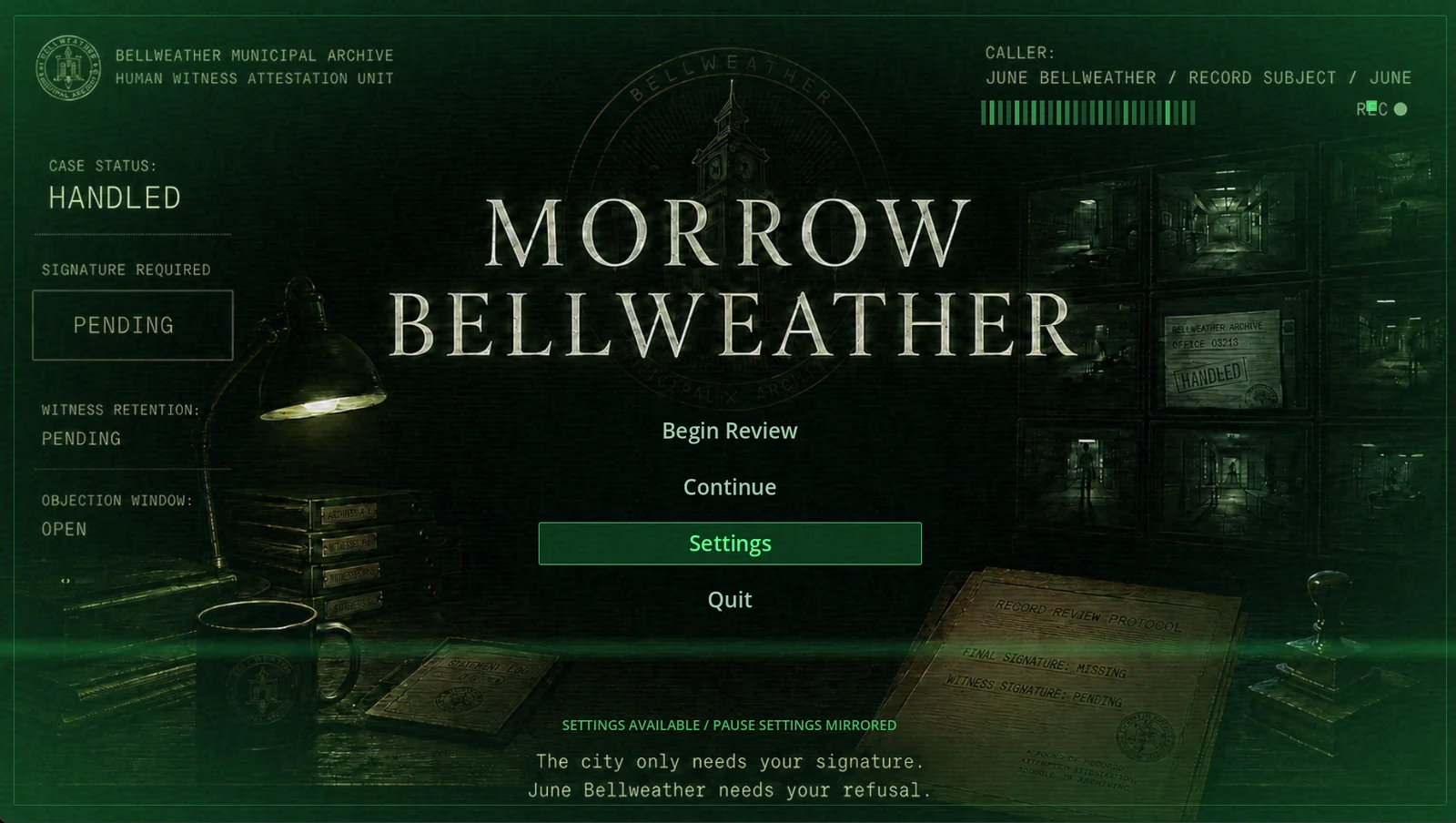
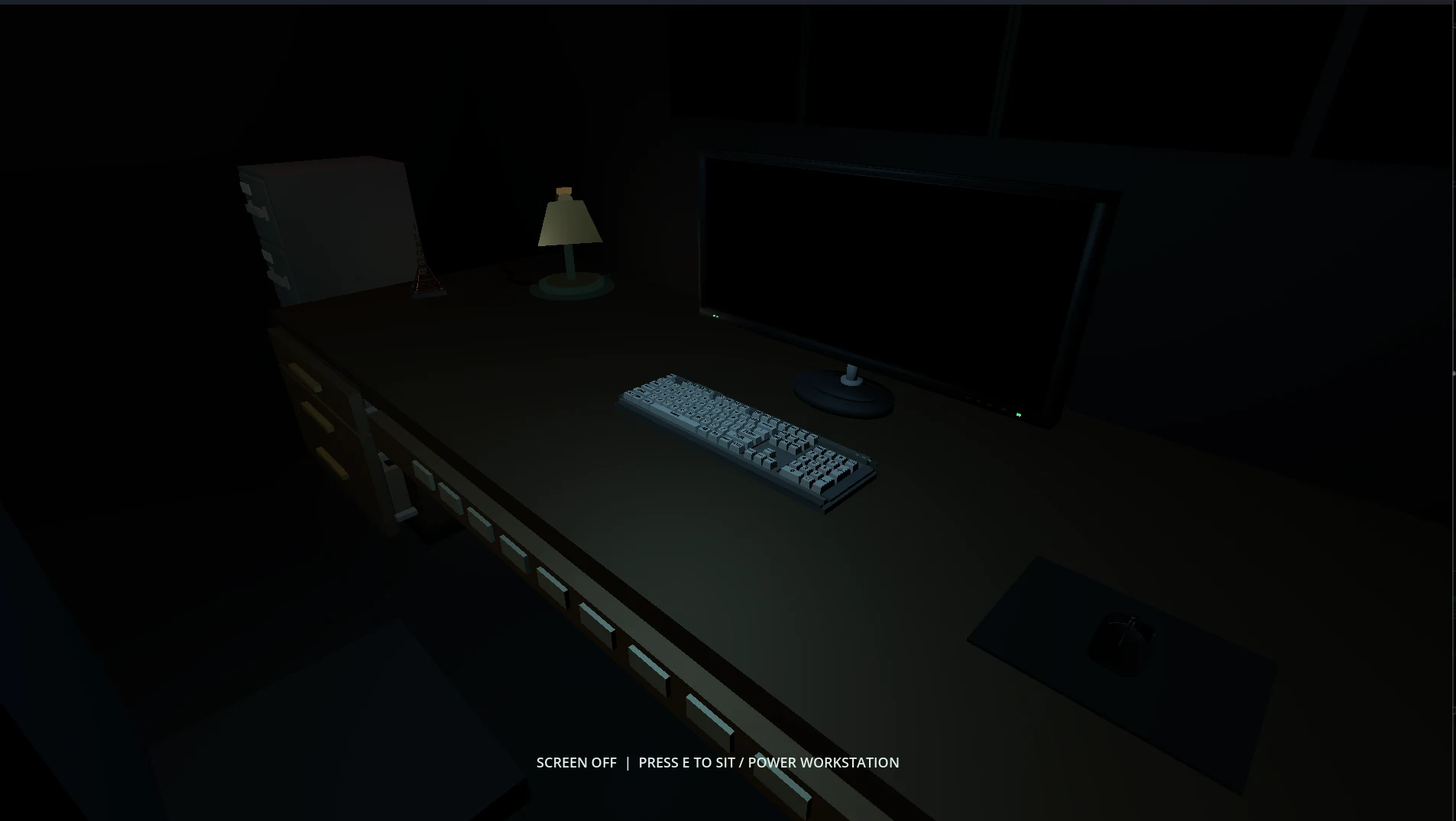
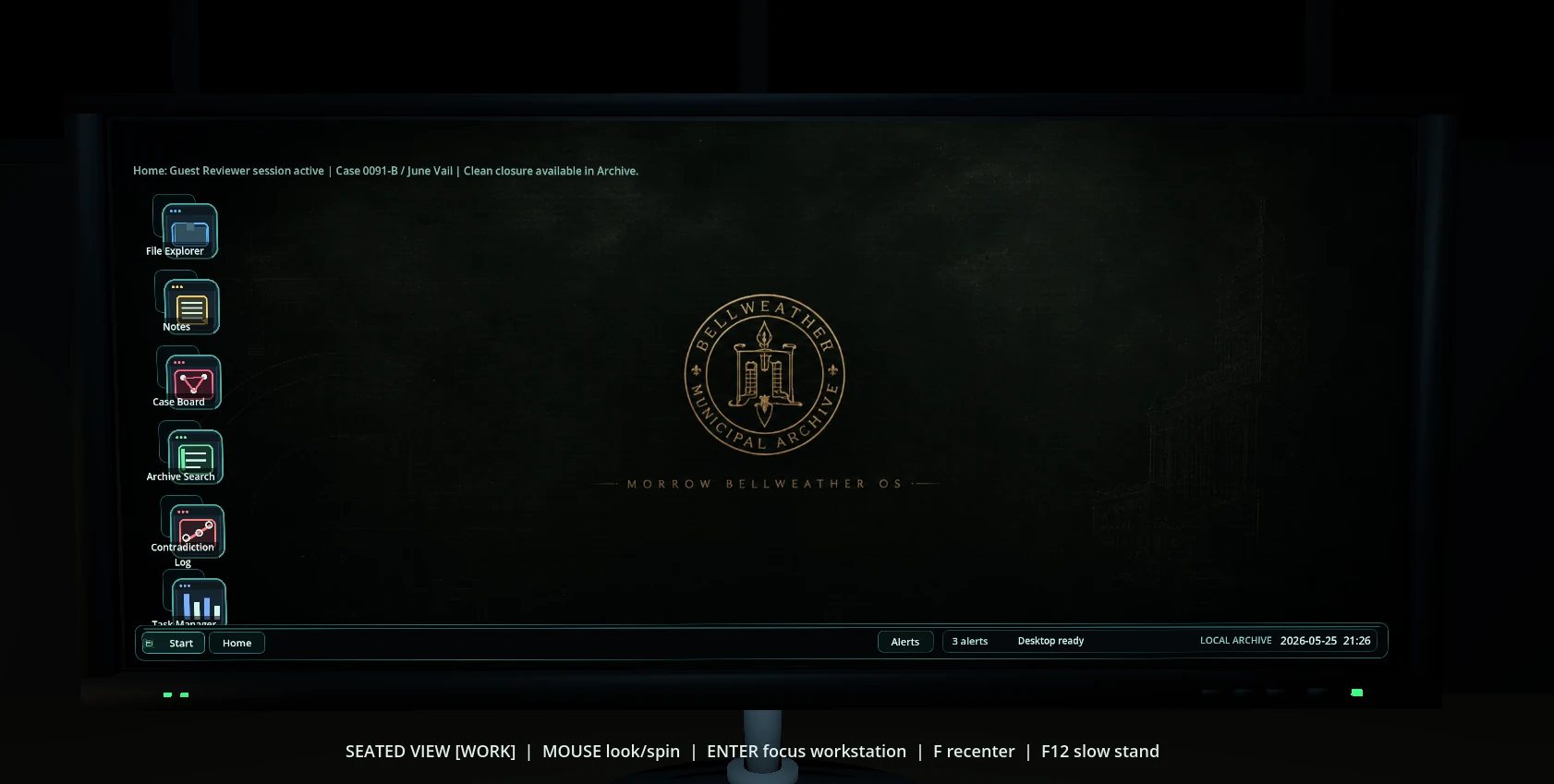
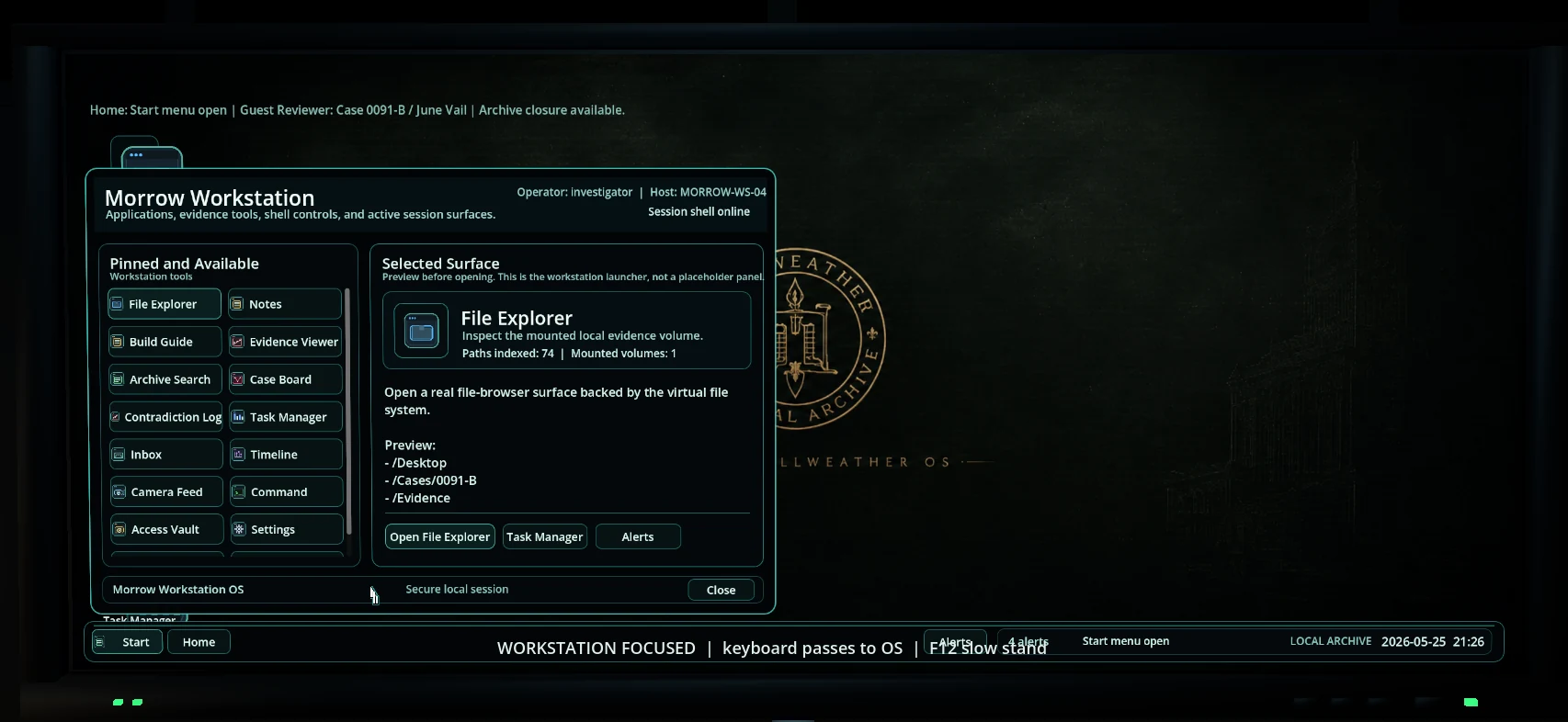
Morrow Bellweather

An original atmospheric interactive work about surveillance, memory, archives, and room-scale tension.

Morrow Bellweather title screen showing the Bellweather Municipal Archive interface
Main menu / Bellweather screen
Original work

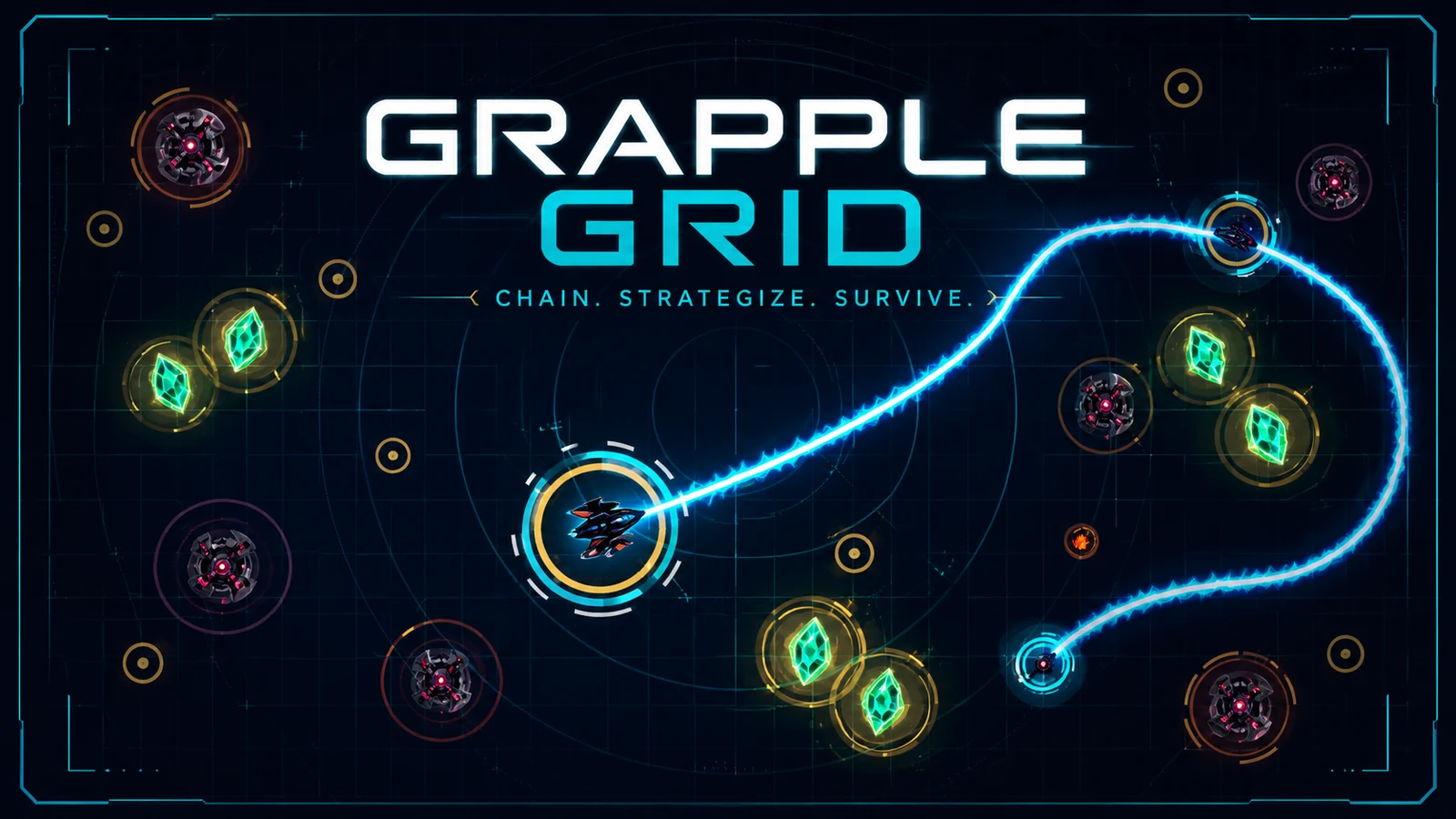
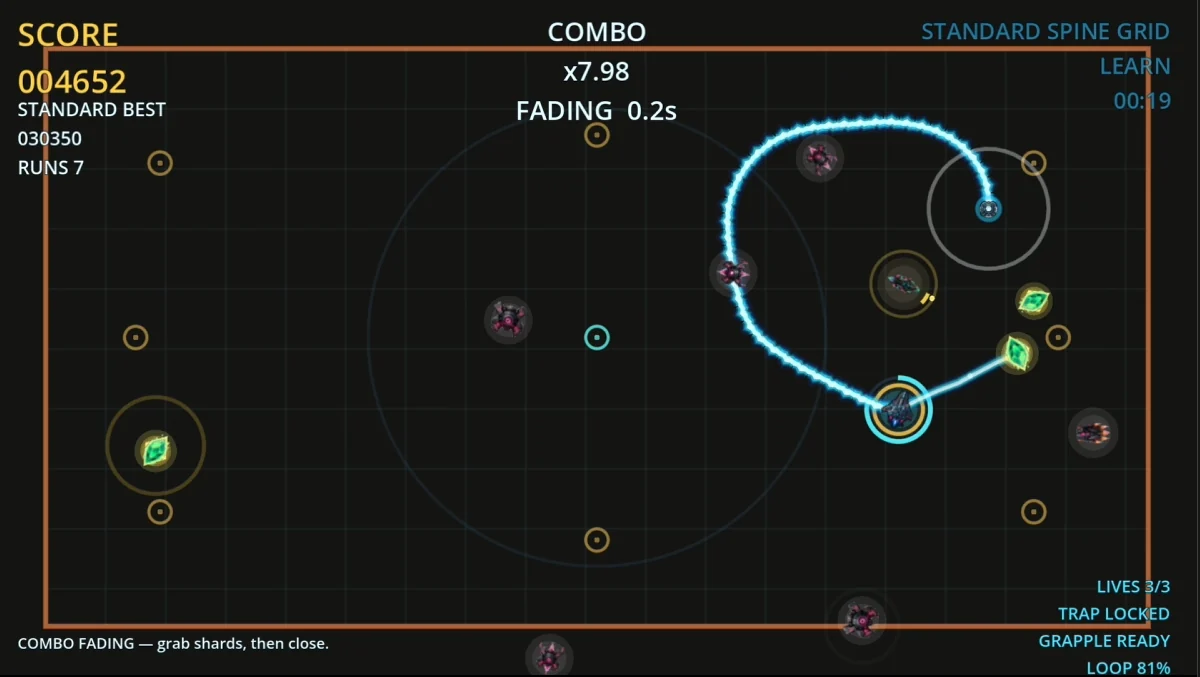
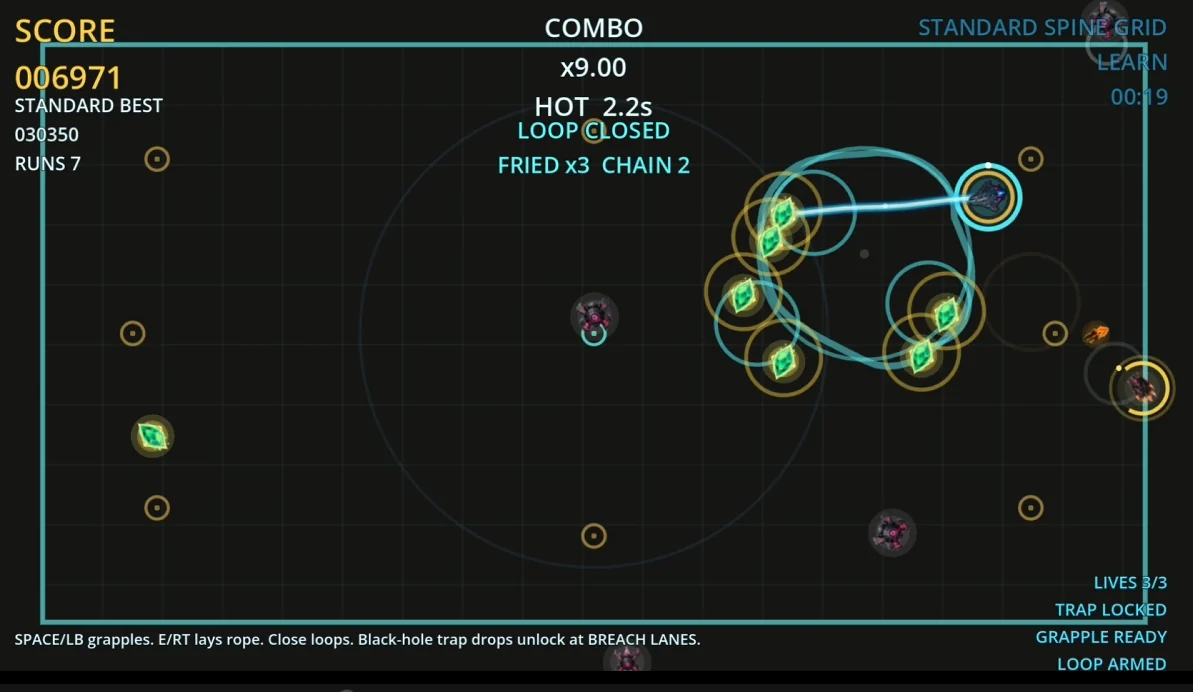
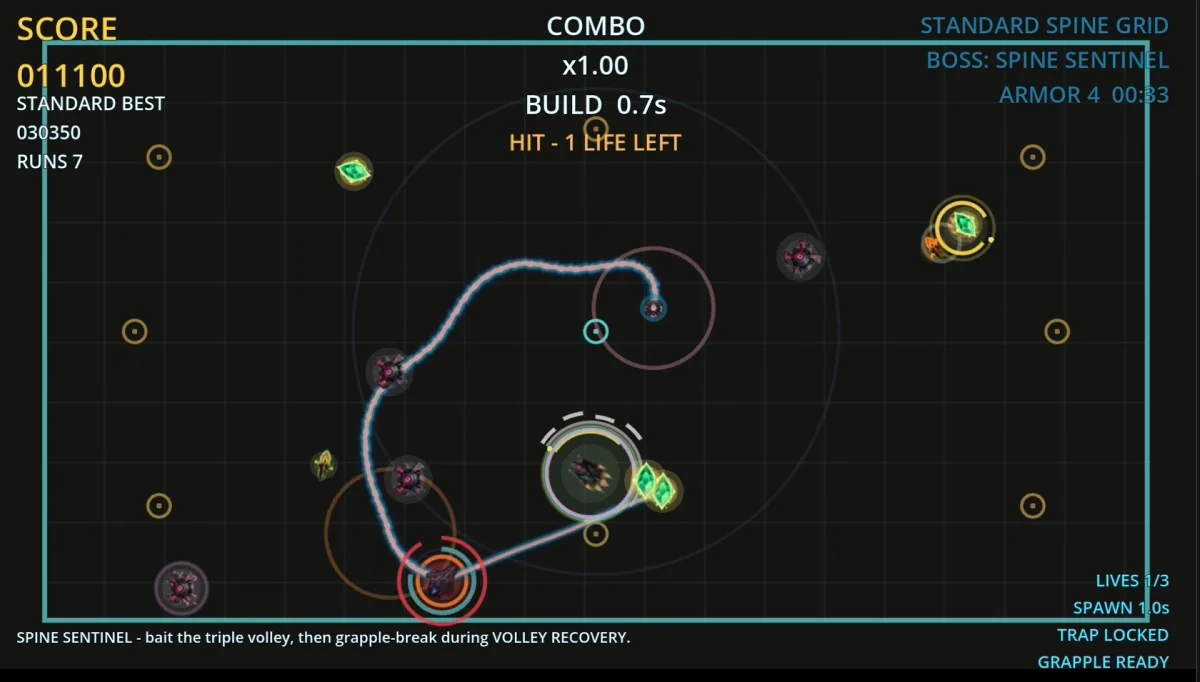
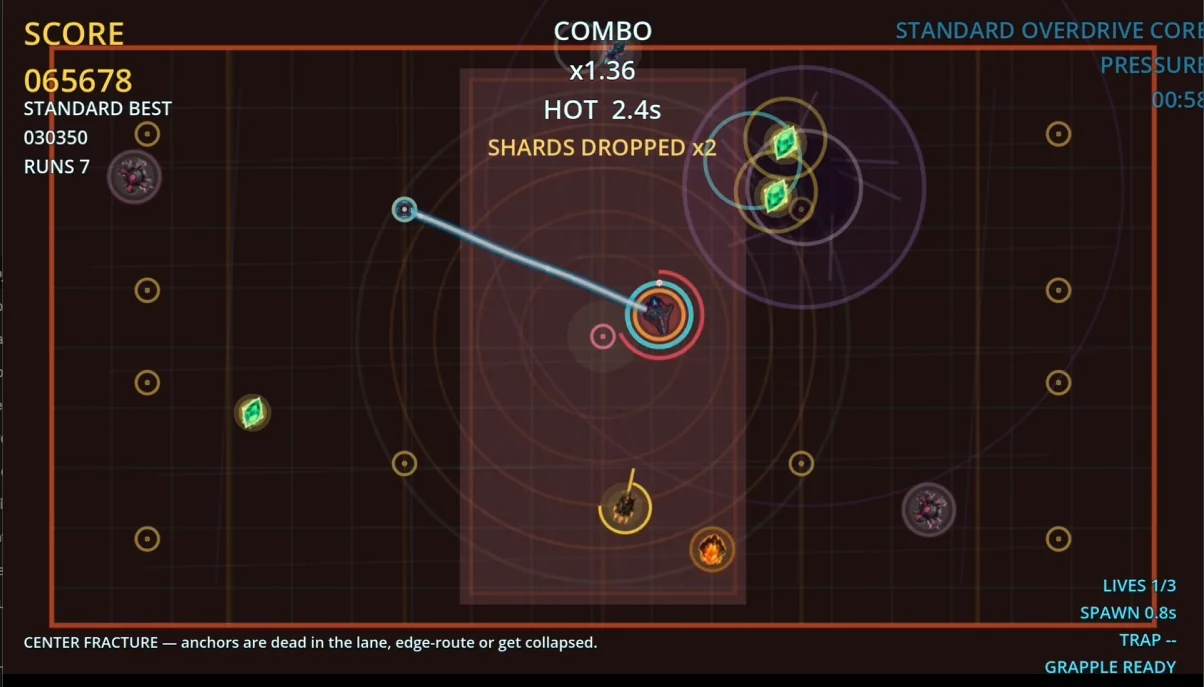
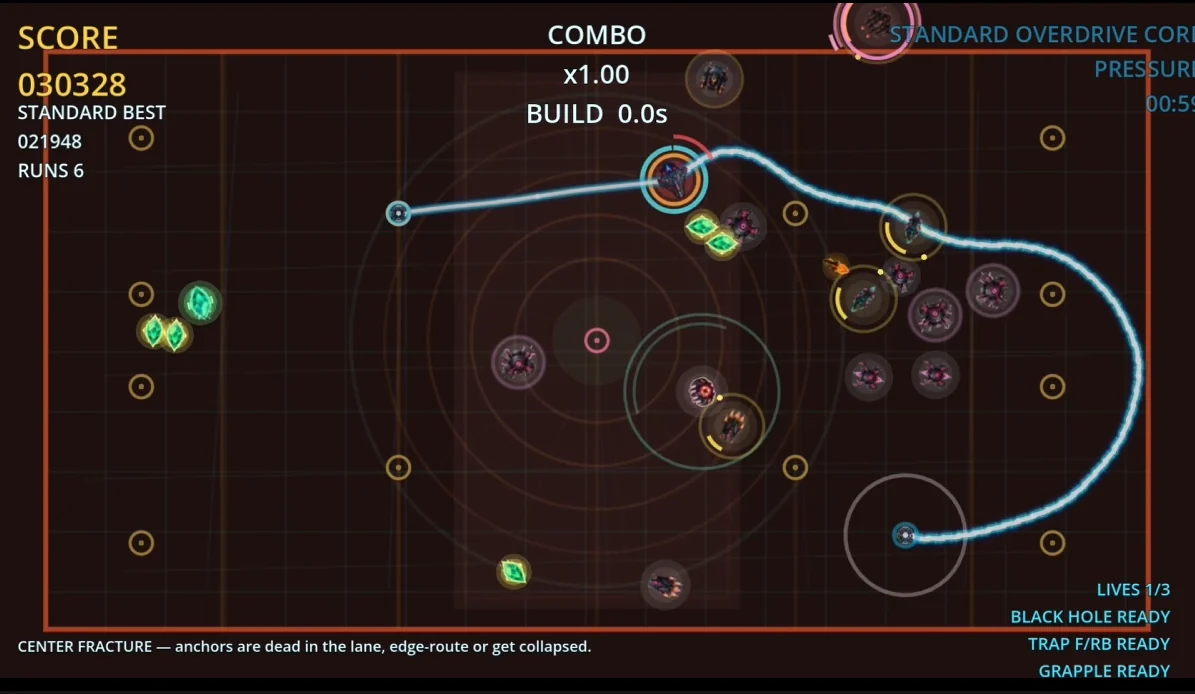
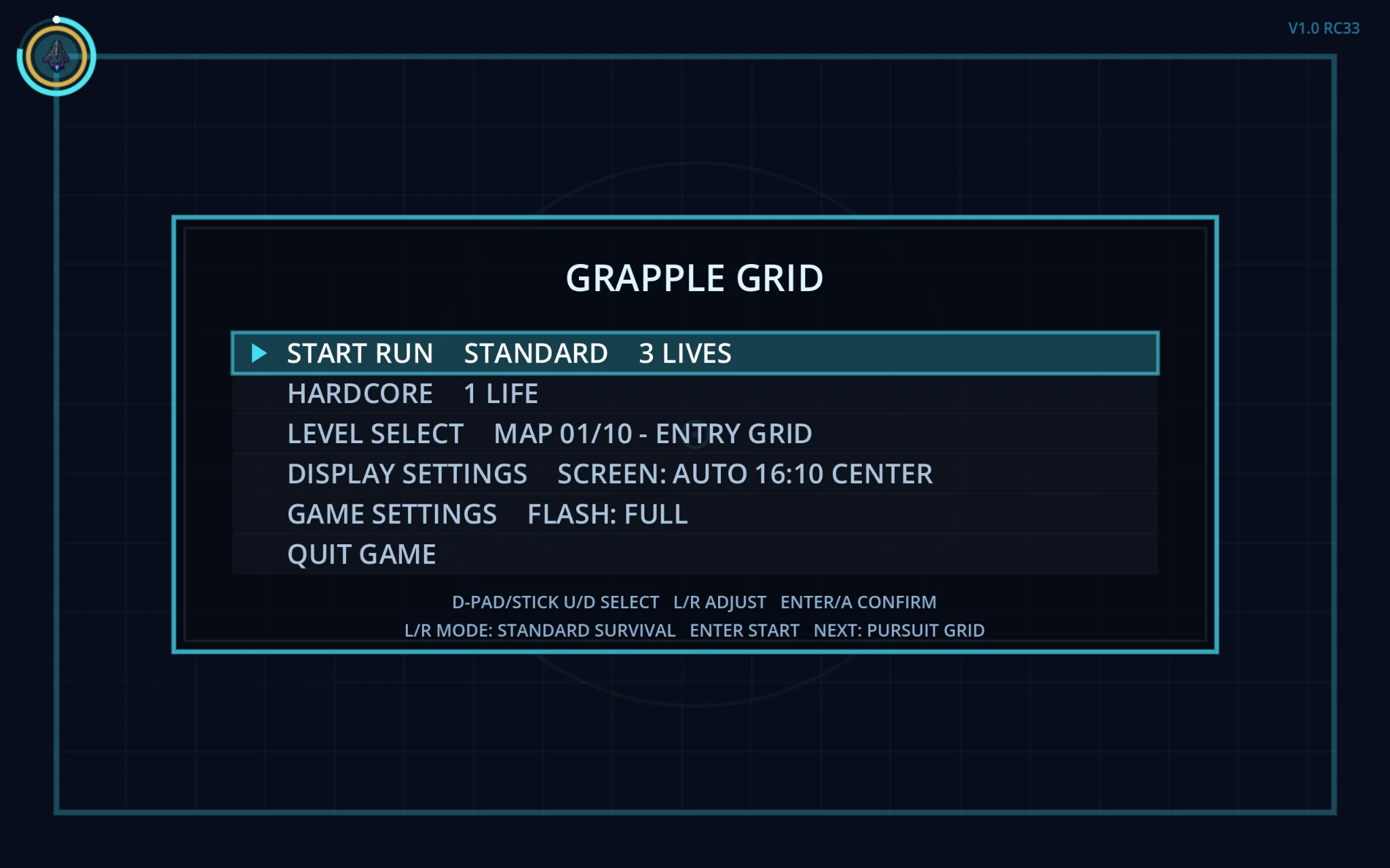
Grapple Grid

An original arcade movement work built around grappling, momentum, precision, readable play, and clean skill expression.

Grapple Grid key art showing a neon grappling path across a tactical grid
Cover art
Contact

Start safely.

For product questions, licensing, partnerships, press, early customer inquiries, or Context Recovery fit-review requests, contact Astrolobe directly. Please do not send project files, archives, private documents, source code, screenshots, folder trees, metadata packets, credentials, or sensitive materials. Describe the problem at a high level only.